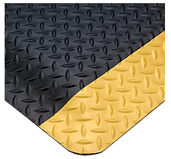
Safety is a top operational priority in manufacturing and industrial environments. Organizations must establish a secure workplace through comprehensive safety programs that combine structured training, clearly defined procedures, and reliable safety equipment. Compliance with applicable regulations, routine inspection and maintenance of equipment, and the development of a strong safety culture are essential elements of an effective workplace safety strategy, helping to reduce risks, prevent incidents, and ensure operational continuity.
Welding safety and testing equipment are critical to maintaining a safe welding environment. Personal protective equipment (PPE), including helmets, gloves, jackets, and protective eyewear, shields workers from intense light, heat, and sparks. In parallel, testing and inspection equipment ensures the integrity of welding machines and weld quality. Tools such as voltage testers, ultrasonic testing instruments, and visual inspection devices support early detection of faults, reducing the likelihood of accidents and equipment failure.
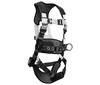
Industrial fall protection encompasses the systems and equipment designed to prevent injuries resulting from falls at height. Solutions such as safety harnesses, guardrails, anchor points, and safety netting are essential in sectors like construction, manufacturing, and maintenance, where elevated work is common. Proper fall protection reduces injury risk, supports regulatory compliance, and safeguards employee well-being in high-risk environments.
Spill control and containment are vital safety measures for facilities handling hazardous or liquid substances. These practices include rapid response procedures to isolate spills, along with absorbent materials and containment products to limit spread. Secondary containment systems such as spill pallets, berms, and containment trays help prevent environmental contamination and reduce health and safety risks. Effective spill management minimizes operational disruption and supports environmental responsibility.
Facility safety and security focus on protecting people, assets, and operations within industrial and commercial sites. This includes physical security measures such as access control systems, surveillance, and fire protection, as well as procedural controls like emergency response planning, safety drills, and visitor management. A well-structured safety and security framework helps mitigate risks, ensures compliance, and creates a safe, controlled environment for employees and visitors.
BBMPS provides a comprehensive range of safety solutions, including confined space equipment, anti-static and ESD products, safety signage, labels, and identification systems. All products are sourced from reputable manufacturers and selected to support compliance, reliability, and long-term workplace safety across industrial applications.