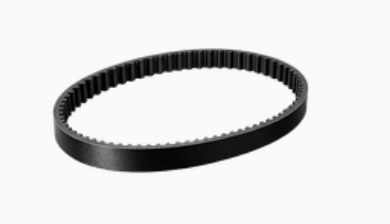
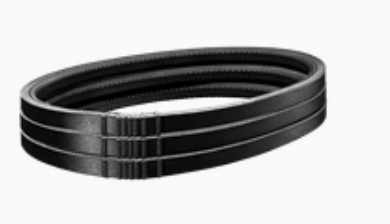
Drive belts are essential components in mechanical systems, serving as a reliable means of transmitting power between rotating machine elements. Commonly used in industrial machinery and motor vehicles, drive belts connect the engine crankshaft to auxiliary components such as alternators, power steering pumps, and air conditioning compressors, ensuring coordinated operation and overall system efficiency.
As the engine or motor rotates, the drive belt transfers motion and energy to connected components, enabling them to function smoothly and consistently. Proper belt selection and tension are critical to maintaining performance, reducing energy loss, and extending the service life of both the belt and associated equipment.
Flat drive belts are widely used in power transmission systems to connect two or more rotating shafts. Their flat profile allows efficient power transfer with minimal slippage, making them suitable for applications requiring high speeds and the ability to handle substantial loads. Flat belts are commonly found in industrial equipment where smooth, reliable operation is required.
Twisted urethane belts are a versatile drive belt solution known for their durability, flexibility, and resistance to abrasion. Manufactured from urethane, these belts are frequently used in conveyor systems, packaging equipment, and robotic applications. Their twisted design allows for quick installation and replacement without disassembling the entire drive system, reducing downtime and simplifying maintenance.
Round drive belts are commonly used in conveyors, pulleys, and drive systems to transmit rotational force between components. Typically made from materials such as polyurethane, rubber, or polyester, round belts provide efficient power transfer with minimal slippage while accommodating varying shaft distances and alignment angles.
At BBMPS, we supply a comprehensive range of drive belt solutions designed to support efficient power transmission, reliable performance, and long-term durability across industrial and mechanical applications. Request a quote to identify the drive belt best suited to your system requirements.